%20--%3e%3cdefs%3e%3cstyle%3e%20.st0%20{%20fill:%20%23fff;%20}%20%3c/style%3e%3c/defs%3e%3cpath%20class='st0'%20d='M37.06,124.64c1.42-.39,3.06.14,4.14.77,29.56,17.44,67.54,6.48,83.47-23.79,9.31-17.68,10.16-36.97,1.54-55.34-1.29-2.76.63-5.66,3.07-6.48,2.76-.91,5.34.33,6.56,2.99,7.71,16.78,8.53,35.39,2.51,52.8-14.32,41.46-61.44,61.08-100.66,39.6l-28.54,8.18c-1.53.44-3.51-.85-4.32-1.78-1.07-1.23-1.51-2.99-1.06-4.68l7.42-27.48C1.75,93.06-1.86,75.29,2.43,56.85,9.85,24.85,36.89,1.27,70.09.31c14.91-.43,29.09,3.99,41.7,12.54l-.36-5.47c-.17-2.66,1.42-4.88,3.81-5.4,2.05-.44,5.56.58,5.97,3.25,1.09,7.06,1.8,14.07,2.44,21.4.2,2.3-2.47,4.71-4.65,4.73l-18.11.08c-2.8,0-5.09-1.59-5.5-4.35-.35-2.36,1.31-5.56,4.1-5.59l6.44-.08C76.96,1.23,36.92,10.4,19.4,41.02c-11.87,20.72-11.49,44.19,1.31,64.59.85,1.31,1.36,2.49.93,4.03l-5.58,20.83,20.99-5.85.02.02Z'/%3e%3cpath%20class='st0'%20d='M91.43,92.7c4.29,0,7.09-3.34,6.98-7.09-.11-4.05-3.59-7.03-7.8-6.51h-20.19l3.67-10.15,16.89-.03c3.39,0,5.97-2.47,6.48-5.72.33-2.08-.3-4.22-1.58-5.63-1.45-1.59-3.44-2.1-5.64-2.1l-14.72.05,3.1-10.18c4.29-.19,8.41-.33,12.75-.13,7.66.35,14.32,5.25,16.03,12.72,1.36,5.97-.65,11.99-5.85,15.54,3.21,2.02,5.5,4.76,6.49,8.59,2.55,9.85-4.33,20.06-14.94,20.56l-32.37.2,3.73-10.07,9.74-.08h17.21v.02Z'/%3e%3cpath%20class='st0'%20d='M68.08,68.96l-3.36,10.12-18.41.03-.06,23.7h-10.38v-56.96c0-.5,1.61-.71,2.14-.71h6.97l27.17-.02-3.18,10.34-22.63.14-.03,13.33,21.78.05v-.02Z'/%3e%3c/svg%3e)
A public roadmap is a view of where your product is going. Done well, it answers customer questions, gives sales and support a shared source of truth, and makes product decisions easier to explain.
Done badly, it becomes a page of stale promises.
The difference is not the design. It is how carefully you choose what to publish and how reliably you keep it current.
What belongs on a public roadmap?
A public roadmap should show meaningful product outcomes, not every engineering task.
Customers care that they will be able to export a report, invite a contractor safely, or understand why a payment failed. They do not need to see database migrations, refactors, or the internal sequence of tickets required to get there.
Write roadmap items around the change a customer will experience:
- Weak: “Reporting v2”
- Better: “Build and save custom reports”
- Weak: “Permissions work”
- Better: “Give guests access to selected projects”
The title should help a customer recognize the problem without knowing your internal language.
Choose honest status labels
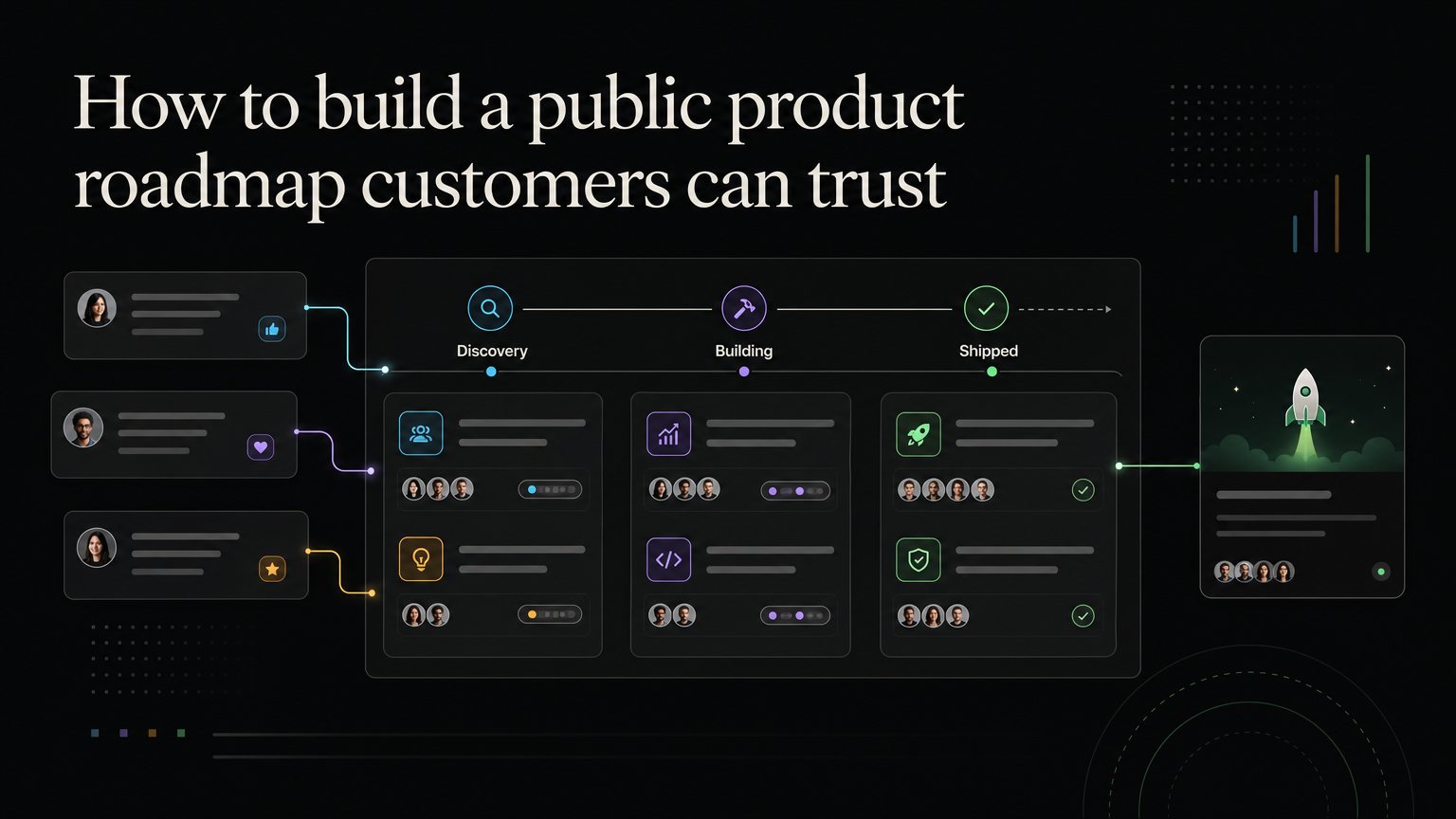
Keep the workflow small. Four stages are enough for most products:
Exploring
The team understands the problem and is researching possible approaches. No solution or delivery date has been promised.
Planned
The team has decided to work on the outcome, but scope and timing may still change.
In progress
Active design or development has started.
Shipped
The improvement is available to customers. Link the item to its release note.
Avoid vague labels such as “soon.” If an item has been “coming soon” for nine months, the roadmap is teaching customers not to believe it.
Dates or no dates?
Exact dates are useful when the work is committed, scoped, and close to release. They are risky during discovery.
For most public roadmaps, broad horizons are safer:
- Now
- Next
- Later
You can also omit time entirely and use status columns. What matters is that customers can distinguish active work from an idea under consideration.
If timing changes, update the item. The trust cost comes from unexplained silence, not from changing a plan.
Decide what stays private
Transparency does not require publishing everything.
Keep an item private when it contains:
- Security-sensitive information
- An unannounced commercial agreement
- Personal or confidential customer details
- An experiment that would be harmed by advance notice
- A competitive bet you are not ready to reveal
You can still acknowledge the customer problem privately and notify interested people later.
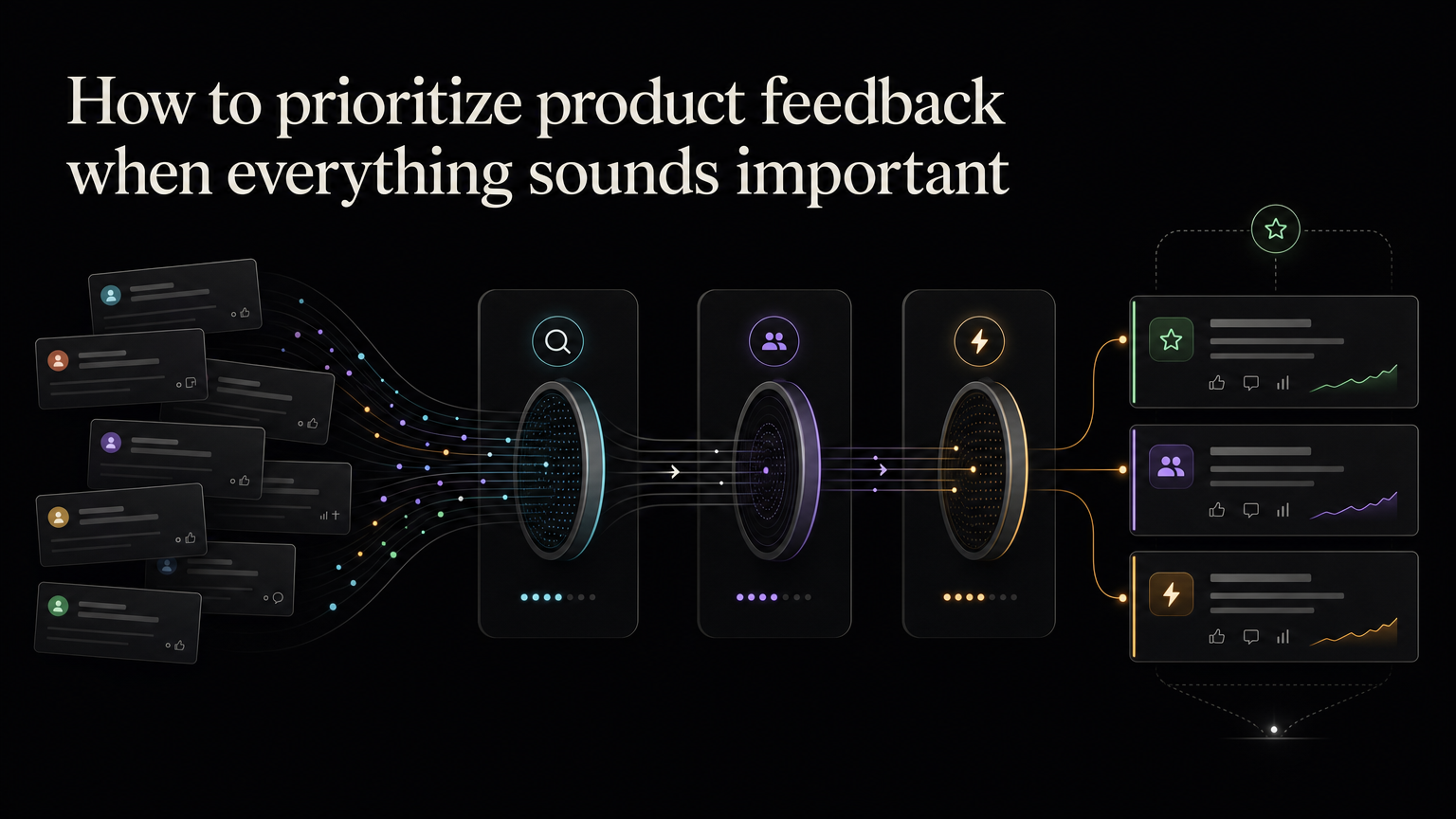
Connect roadmap items to customer feedback
A roadmap is more useful when customers can see why an item exists.
Link related feedback requests to the roadmap item. Preserve comments and voters so the team can return to the original context during design. When the status changes, notify the people who asked.
This creates a visible chain:
Customer problem → reviewed idea → roadmap item → shipped update
Without that chain, the feedback board and roadmap become separate lists that someone must reconcile by hand.
Write a good roadmap item
Each public item needs four parts.
A customer-facing title
Use the outcome, not the project codename.
A short problem statement
Explain who is affected and what is difficult today.
The intended result
Describe what customers should be able to do when the work is complete. Avoid committing to details that are still being designed.
A current update
Add the latest meaningful change: research started, beta opened, rollout reached all accounts, or scope changed.
Here is a simple template:
Title: Schedule reports to send automatically

Problem: Teams currently export and email the same report every week.

Outcome: Customers will be able to choose a report, recipients, and a delivery schedule.

Update: We are testing the scheduling flow with a small beta group.
How often should you update it?
Review the public roadmap at least once a month. A fast-moving team may do it weekly.
During the review:
- Remove or explain anything that is no longer planned.
- Update items whose status changed.
- Check that “in progress” still means active work.
- Publish release notes for shipped items.
- Reply to recent customer questions.
Assign one owner. Shared ownership often means no ownership.
Common public roadmap mistakes
Publishing the entire backlog
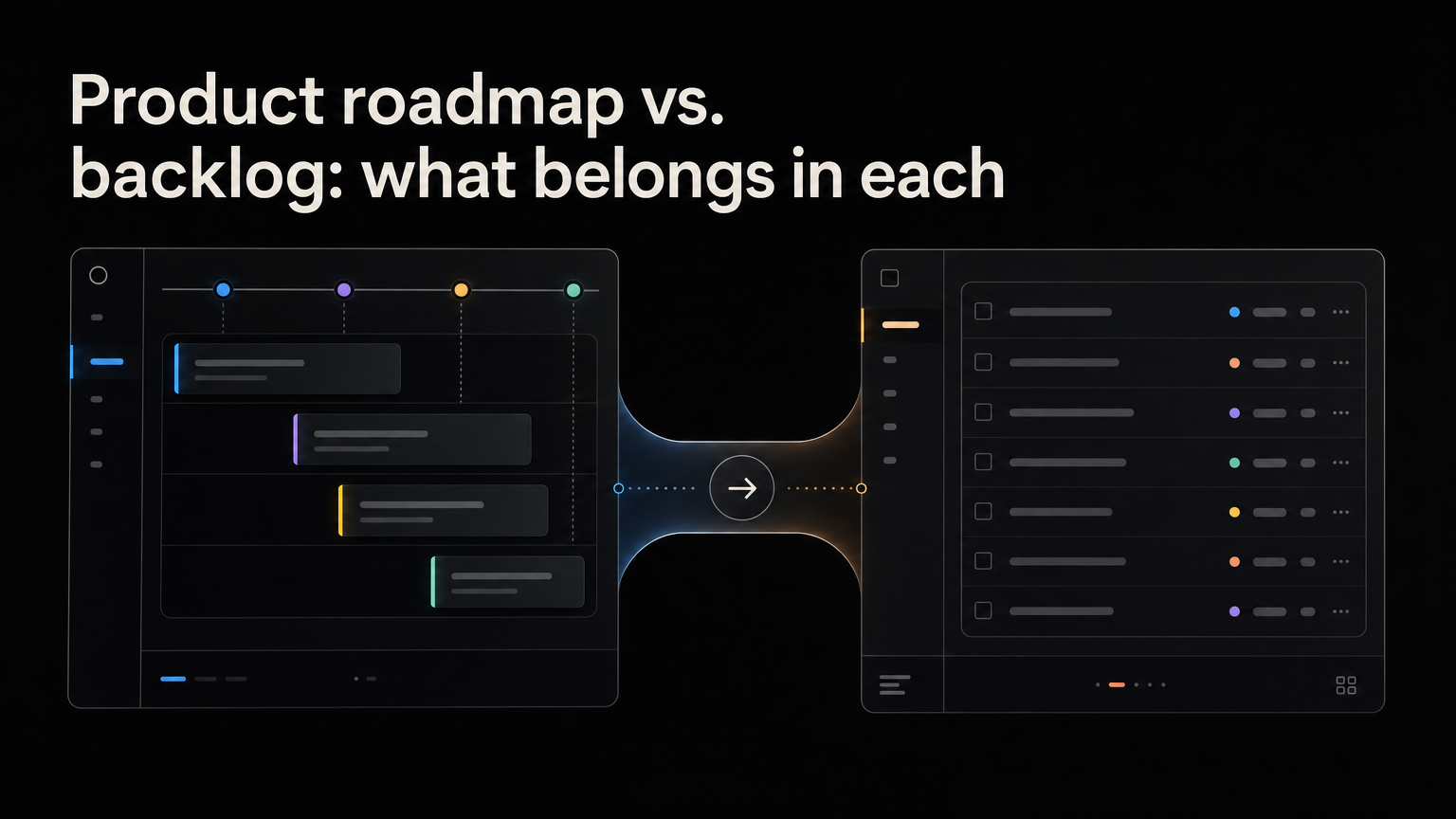
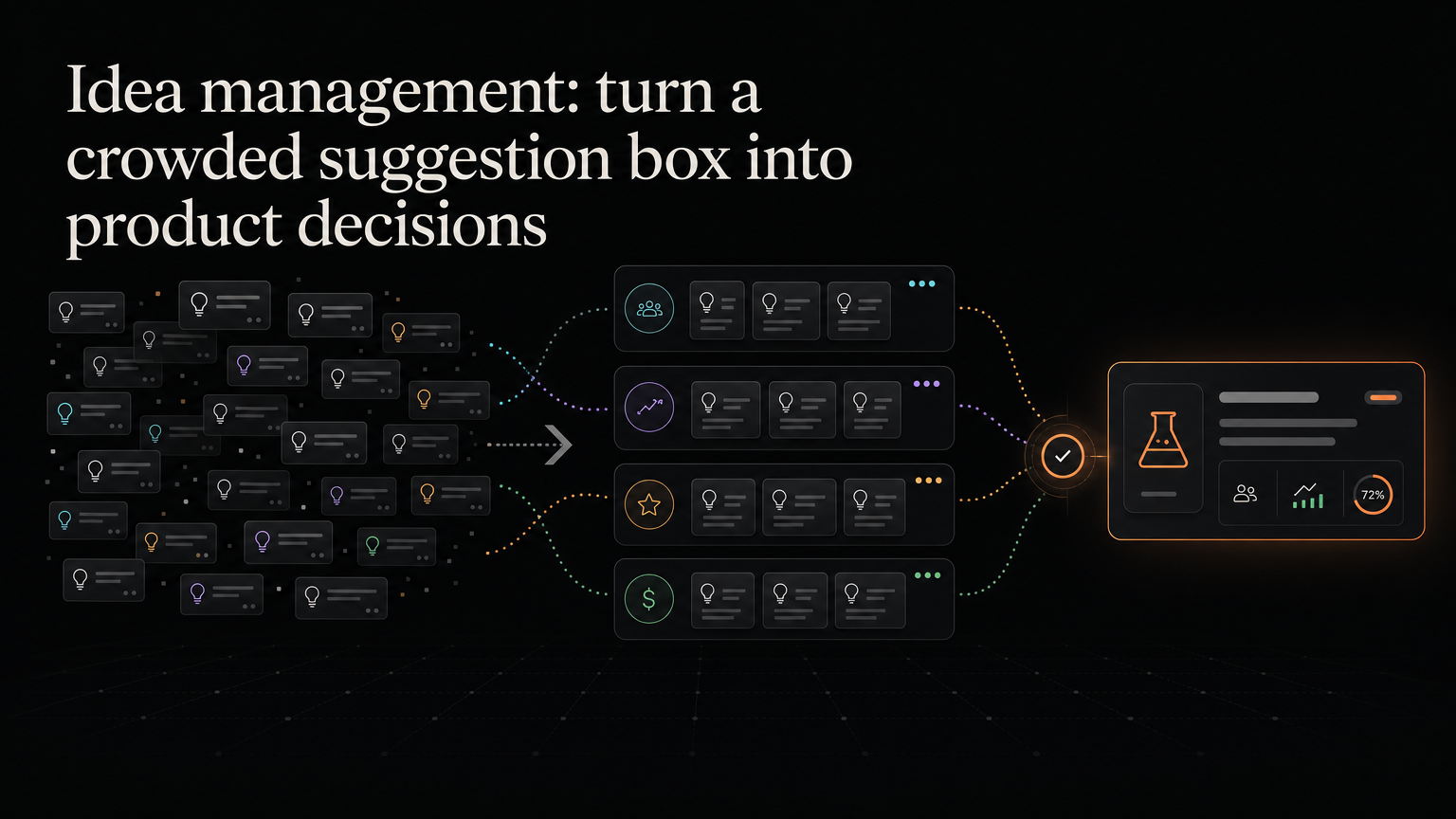
A backlog records possibilities. A roadmap communicates direction. Publishing hundreds of unreviewed ideas creates noise and accidental expectations.
Treating votes as commitments
Popular requests deserve attention, not automatic delivery. Say this in your feedback policy and explain the other factors you consider.
Hiding changes
If a planned item is cancelled, move it and explain the reason. Customers can handle a changed decision better than a disappearing card.
Forgetting the final update
“Shipped” should lead somewhere. Link to a release note with the key details, screenshots when useful, and any rollout limitations.
A public roadmap is a publishing habit
The roadmap earns trust through small, regular updates. Start with five to ten items you can explain clearly. Keep the scope honest. Connect customer feedback to the work and the work to a release.
Feedboard keeps feedback, roadmap statuses, and product announcements together so the public view stays connected to the decisions behind it. Build your public roadmap with Feedboard.
Launch checklist
Before publishing:
- Every item describes a customer outcome.
- Status definitions are public and understandable.
- Sensitive work is excluded.
- Linked requesters are preserved.
- One person owns updates.
- Planned items have internal evidence and review dates.
- Shipped items link to release notes.
- The board explains that direction can change.
Start with a small set. A trustworthy roadmap with eight current outcomes is more useful than a public backlog with two hundred possibilities.
Measure roadmap health
Track the age of the latest update, items remaining in one status too long, roadmap outcomes with linked evidence, requester notifications, and shipped items with release notes.
Customer views and votes show attention, but response and closure show whether the roadmap is operating.
When plans change
Use a dated update:
We paused scheduled exports after research showed most customers need a live client view. We are continuing to explore external sharing, but the original implementation is no longer planned.
Keep the original customer problem attached. Changing the solution should not erase the evidence.
Frequently asked questions
Should competitors influence what is public?
Protect genuinely sensitive bets, but do not make competitive fear the default. Publish what helps customers understand direction.
Can a roadmap contain maintenance work?
Yes, when reliability, security, or performance produces a meaningful customer outcome. Avoid exposing sensitive implementation detail.
What if customers are upset by a cancellation?
Acknowledge the impact, explain the current direction, preserve their context, and offer a workaround when possible. Silence is rarely safer.
Ownership rule
Give one person responsibility for the public roadmap’s accuracy. Individual product owners can supply updates, but the roadmap owner reviews stale states, customer-safe language, release links, and requester notifications.
Without this role, every item can have an owner while the public view as a whole becomes unreliable.